Nutrient Composition in Natural Foods
An educational resource exploring the scientific facts about vitamins, minerals, and essential nutrients found in everyday foods. This resource presents general information about food composition and nutritional content.
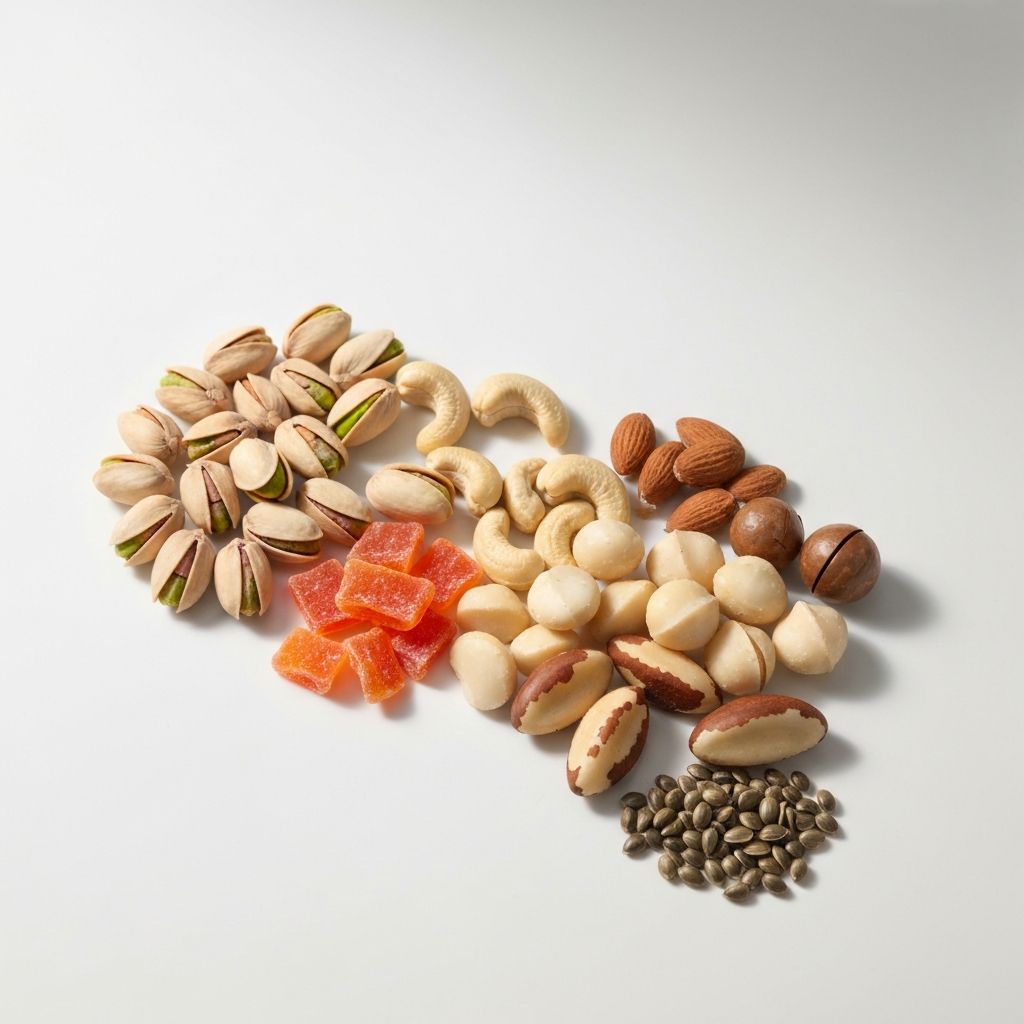
Nutrient Composition Overview
Foods contain diverse combinations of macronutrients (proteins, carbohydrates, fats) and micronutrients (vitamins and minerals). Understanding the composition of common foods provides context for how different ingredients contribute to dietary variety.
| Nutrient Category | Food Sources | Biological Role (General Information) |
|---|---|---|
| B Vitamins | Nuts, seeds, whole grains | Involved in energy metabolism and cellular function |
| Vitamin E | Nuts, seeds, vegetable oils | Fat-soluble antioxidant in various tissues |
| Magnesium | Seeds, nuts, leafy vegetables | Supports enzyme function and muscle activity |
| Zinc | Seeds, nuts, legumes | Essential for protein synthesis and cellular processes |
| Selenium | Brazil nuts, grains | Component of selenoproteins and antioxidant systems |
Vitamins in Nuts and Seeds
Nuts and seeds are nutrient-dense foods containing various vitamins. Almonds, for example, contain significant amounts of vitamin E. Pumpkin seeds are known sources of B vitamins. Hemp seeds contain various B vitamins including thiamine and riboflavin. Brazil nuts accumulate selenium from soil, contributing substantial amounts of this mineral.
The vitamin content in nuts and seeds varies based on the specific variety and growing conditions. Bioavailability—the extent to which nutrients are absorbed and utilized—also varies among different food sources. Scientific research continues to examine how processing and storage affect nutrient retention in these foods.
Read Disclaimer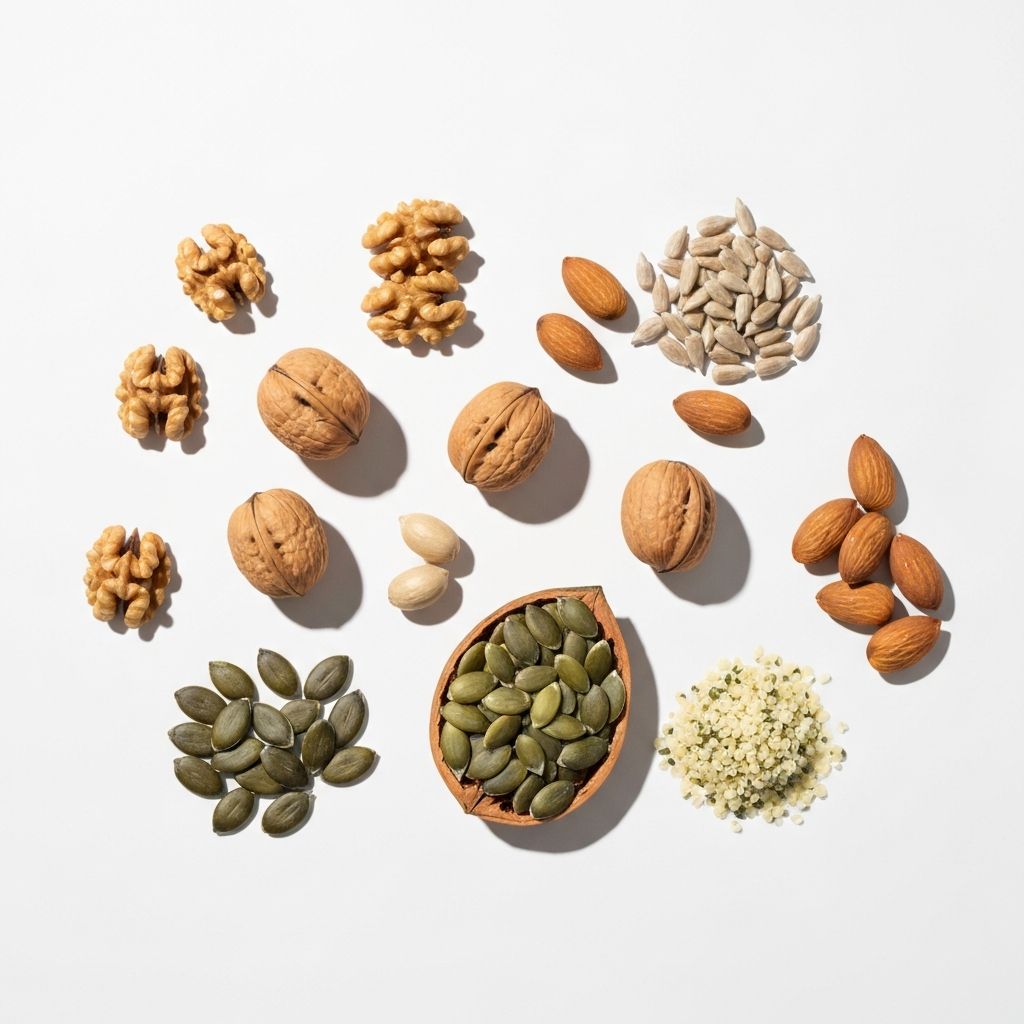
Featured Natural Sources
These three foods are frequently studied for their nutrient profiles. The following cards present factual composition information about each.
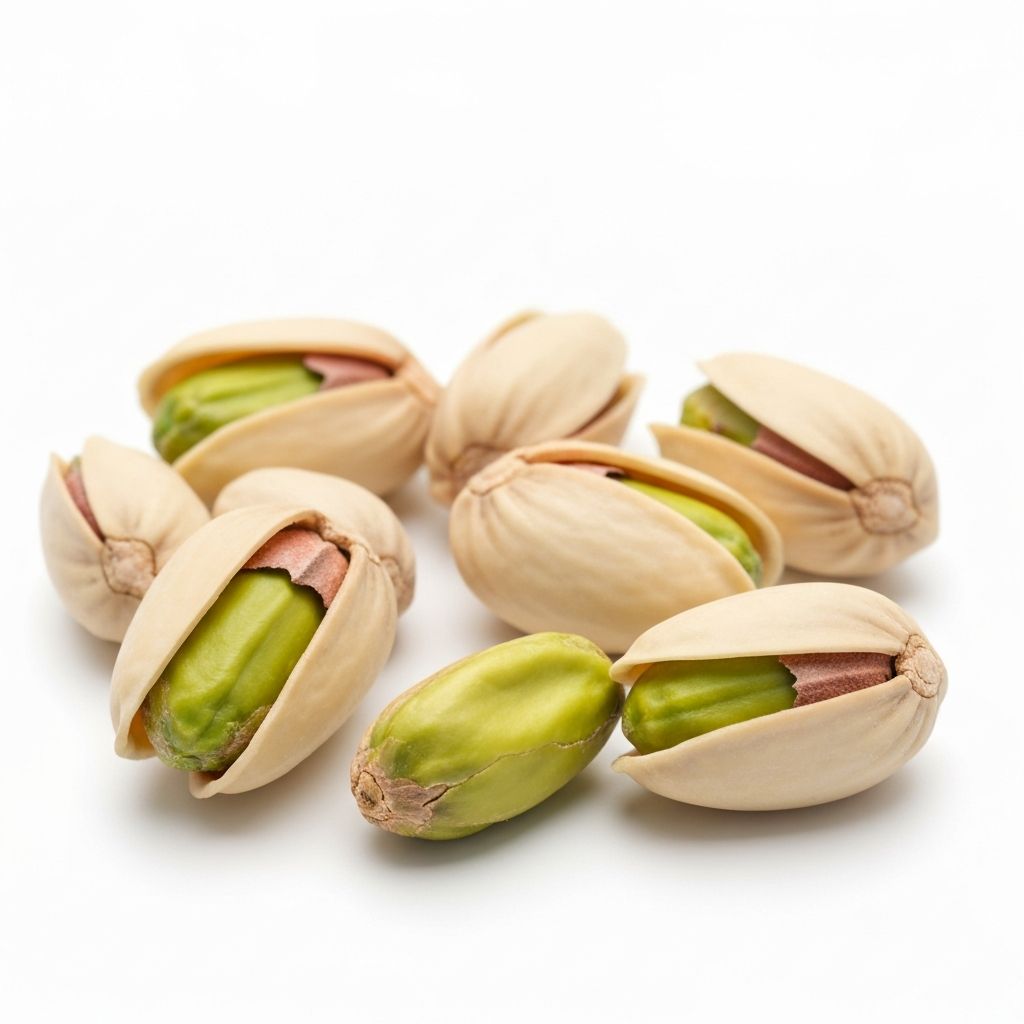
Pistachio Nuts
Pistachio nuts are sources of protein, fiber, and various minerals including copper and manganese. They contain vitamin E and B vitamins. Scientific literature documents their composition and bioavailability of minerals.
View Nutrient Data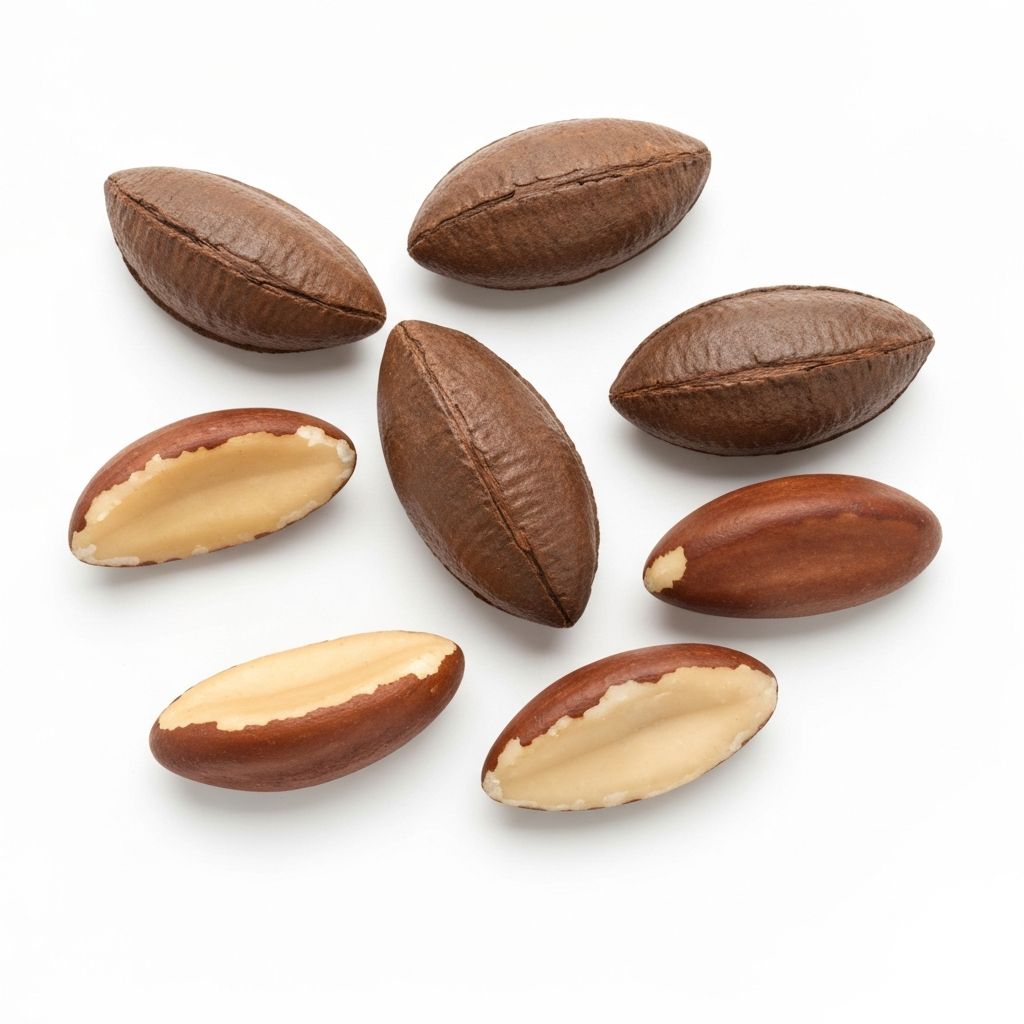
Brazil Nuts
Brazil nuts are notably high in selenium, a mineral that accumulates in these nuts from selenium-rich soil. They also contain magnesium, phosphorus, and manganese. A single Brazil nut contains significant selenium content.
View Nutrient Data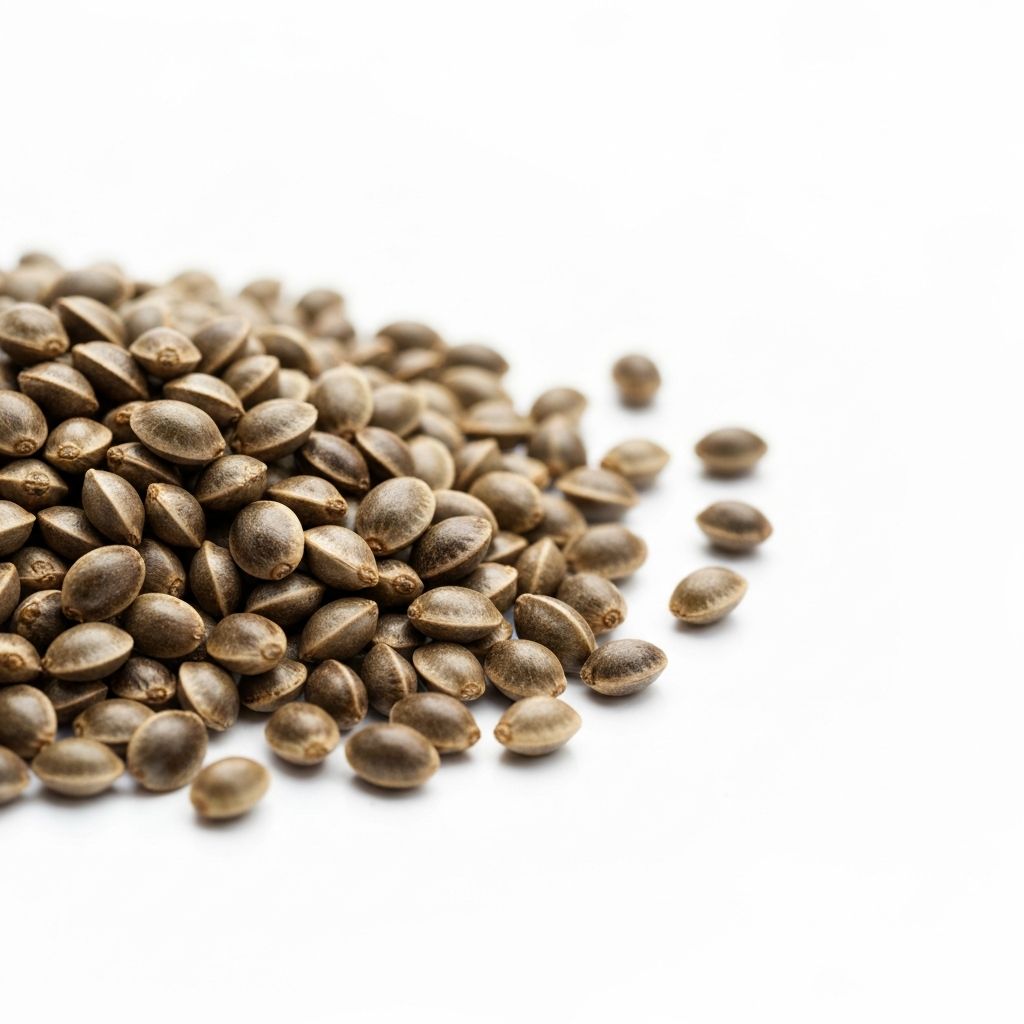
Hemp Seeds
Hemp seeds contain all nine essential amino acids, making them a complete protein source. They provide omega-3 and omega-6 fatty acids, magnesium, and various B vitamins. Their nutritional profile is well-documented in scientific literature.
View Nutrient DataTrace Elements in Foods
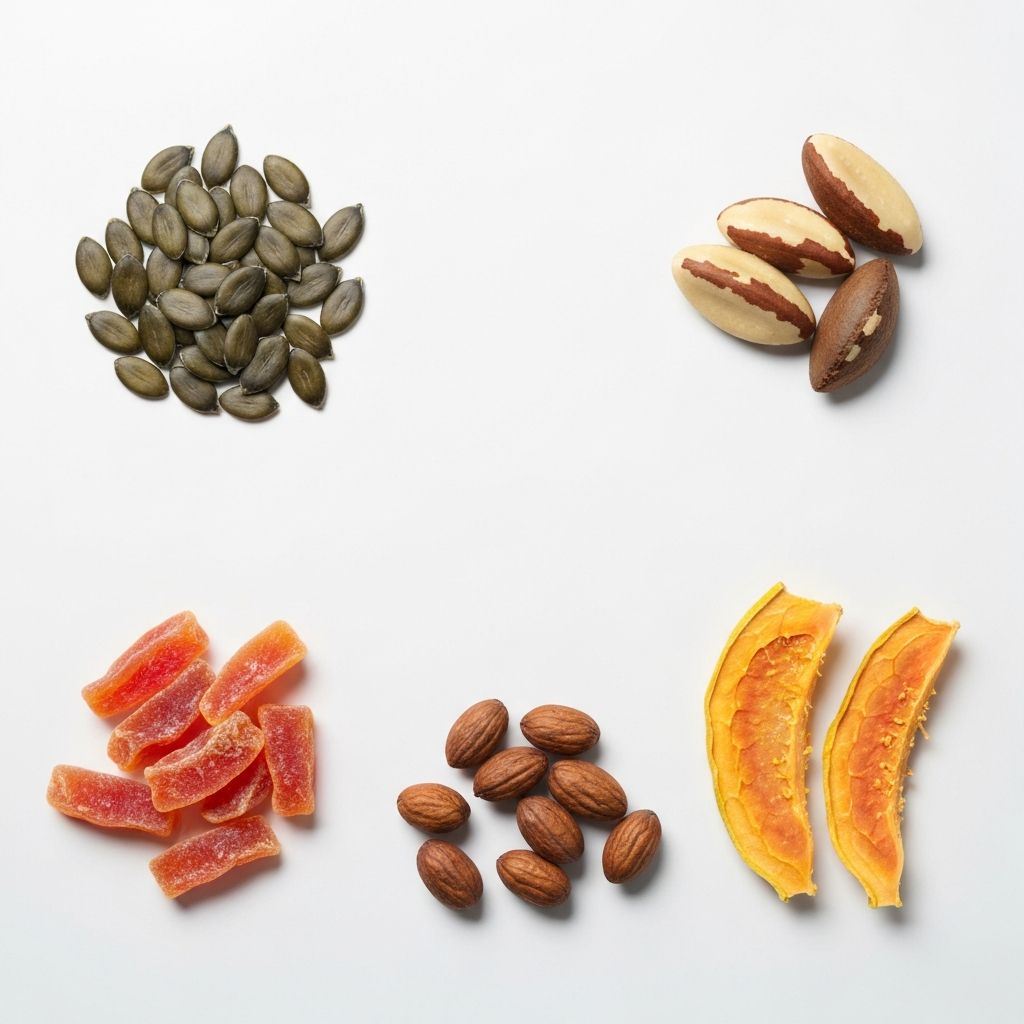
Trace elements (also called trace minerals or micronutrients) are elements needed in small amounts for various biological functions. These include zinc, copper, manganese, molybdenum, and others. Natural food sources provide these elements in variable amounts depending on soil composition and growing conditions.
Scientific analysis documents trace element concentrations in different foods. Pumpkin seeds are recognized sources of zinc. Nuts contain copper. The mineral density varies significantly among different plant foods, and bioavailability depends on food composition and individual factors.
Explore Reference MaterialsDried Fruits Nutritional Profile
General Composition of Dried Fruits
Drying concentrates nutrients, increasing the density of vitamins and minerals per unit weight compared to fresh fruits. Dried papaya contains vitamin A and C. Dried dates are sources of fiber and potassium. The drying process removes water but preserves most minerals and many vitamins.
Specific Dried Fruits
- Dried Papaya: Contains provitamin A (beta-carotene), vitamin C, and fiber
- Dried Jackfruit: Sources of fiber, potassium, and some B vitamins
- Dates: High in fiber, potassium, and natural sugars
- Dried Apricots: Sources of provitamin A and potassium
Dried fruits also concentrate natural sugars, so portion sizes are typically smaller than fresh fruits. Scientific analysis documents the nutrient retention in different drying methods.
Root Vegetables Nutrient Density
Root vegetables are staple foods in many diets, offering various nutrients. Sweet potatoes are sources of provitamin A, fiber, and potassium. Regular potatoes provide vitamin B6 and potassium. These foods are studied for their nutritional composition and health-related properties.
Root vegetables contain carbohydrates as their primary macronutrient. They also provide fiber (especially in the skin), various minerals including manganese and copper, and some B vitamins. Growing conditions affect nutrient density, particularly mineral content which reflects soil mineral composition.
See Detailed Composition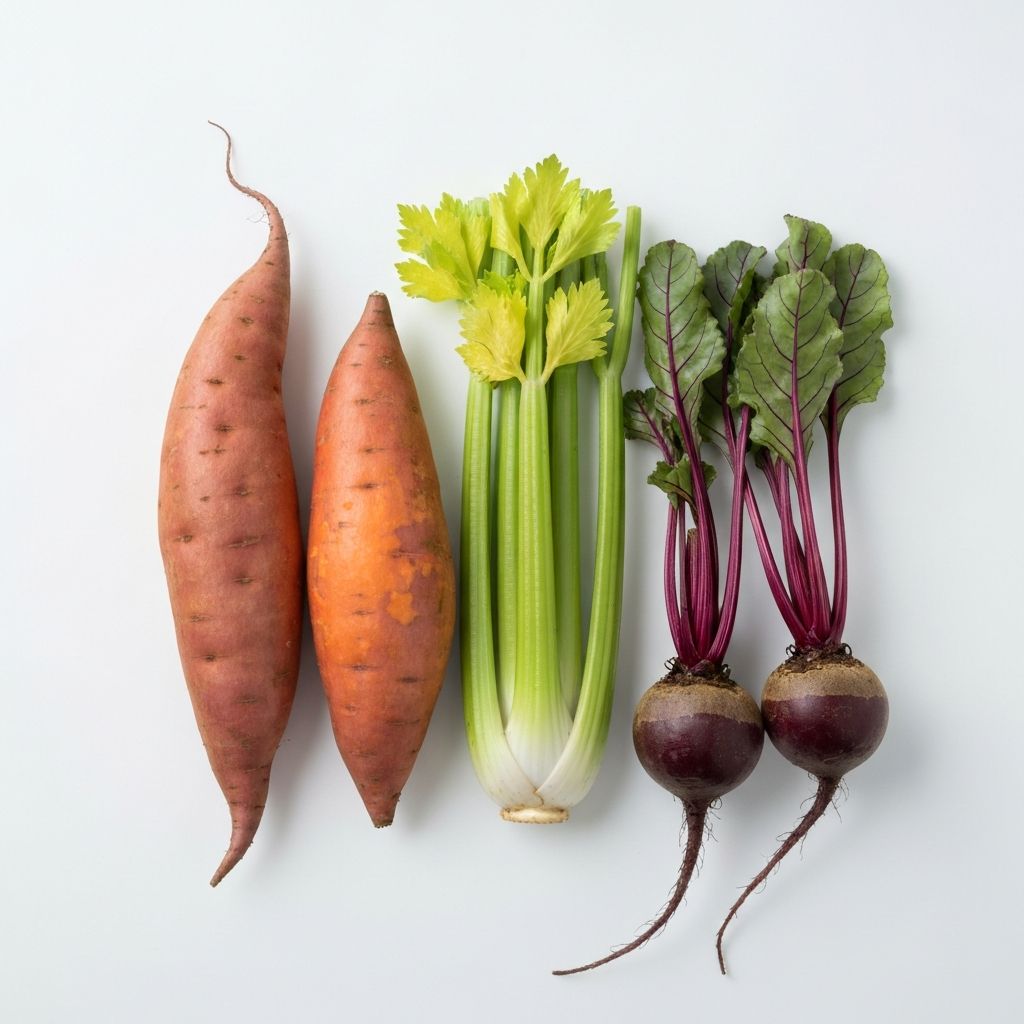
Herbs and Spices Composition
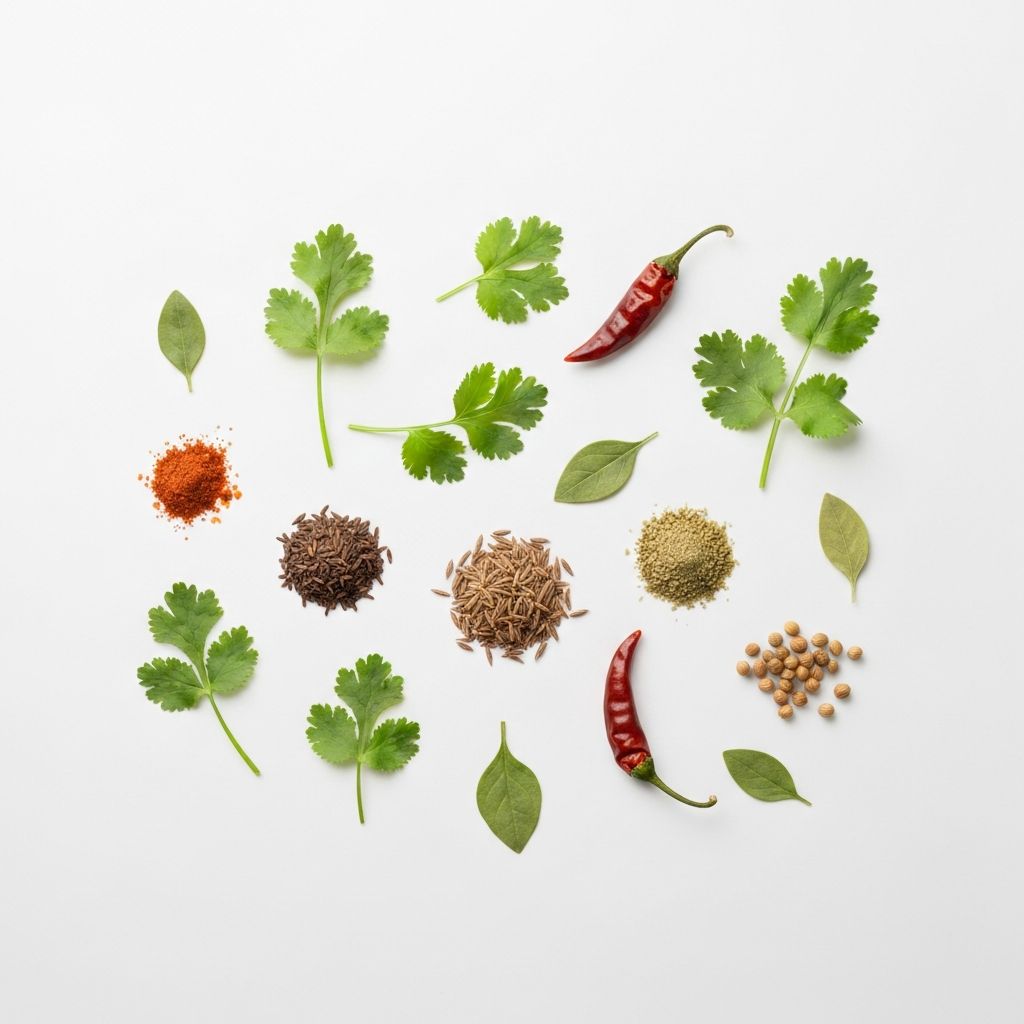
Herbs and spices contain concentrated bioactive compounds and minerals. Cilantro is traditionally used in various cuisines and contains small amounts of various minerals. Various dried spices contain minerals, essential oils, and phytonutrients. The concentration of these compounds is higher per unit weight than in their fresh counterparts.
Scientific research documents the composition of common herbs and spices. These foods are used in small quantities for flavoring but contribute micronutrients to overall diet. Their nutritional contribution is studied in the context of traditional dietary patterns and culinary uses.
Explore Reference MaterialsCommon Food Composition Questions
How is nutrient content measured in foods?
Nutrient content is determined through laboratory analysis using standardized methods. Different analytical techniques measure different nutrient categories. Results are typically expressed per 100 grams of food or per common serving size.
Does nutrient content vary among different samples of the same food?
Yes, nutrient content varies based on growing conditions, soil composition, harvest time, storage duration, and variety of the plant. This natural variation is documented in scientific literature, with ranges typically provided rather than single values.
What is bioavailability?
Bioavailability refers to the extent to which nutrients in food are absorbed and utilized by the body. It depends on food composition, presence of other compounds, cooking methods, and individual factors. The bioavailability of specific nutrients varies among different food sources.
How does cooking affect nutrient content?
Different cooking methods affect nutrients differently. Some heat-sensitive vitamins may be reduced with prolonged heating, while mineral bioavailability may be improved by cooking. Scientific research examines these effects for specific foods and preparation methods.
Natural Sources Variety
A diverse array of natural food sources provides different nutrient profiles. This variety ensures access to different vitamins, minerals, and other food components. Plant-based foods offer complementary nutrient compositions—combining different foods creates dietary diversity.
The concept of dietary variety is grounded in nutritional science. Different foods contain different nutrient combinations, and consuming varied foods from multiple categories supports exposure to diverse nutrients. Mexican cuisine and global food traditions have historically emphasized dietary diversity through varied ingredient use.
Learn More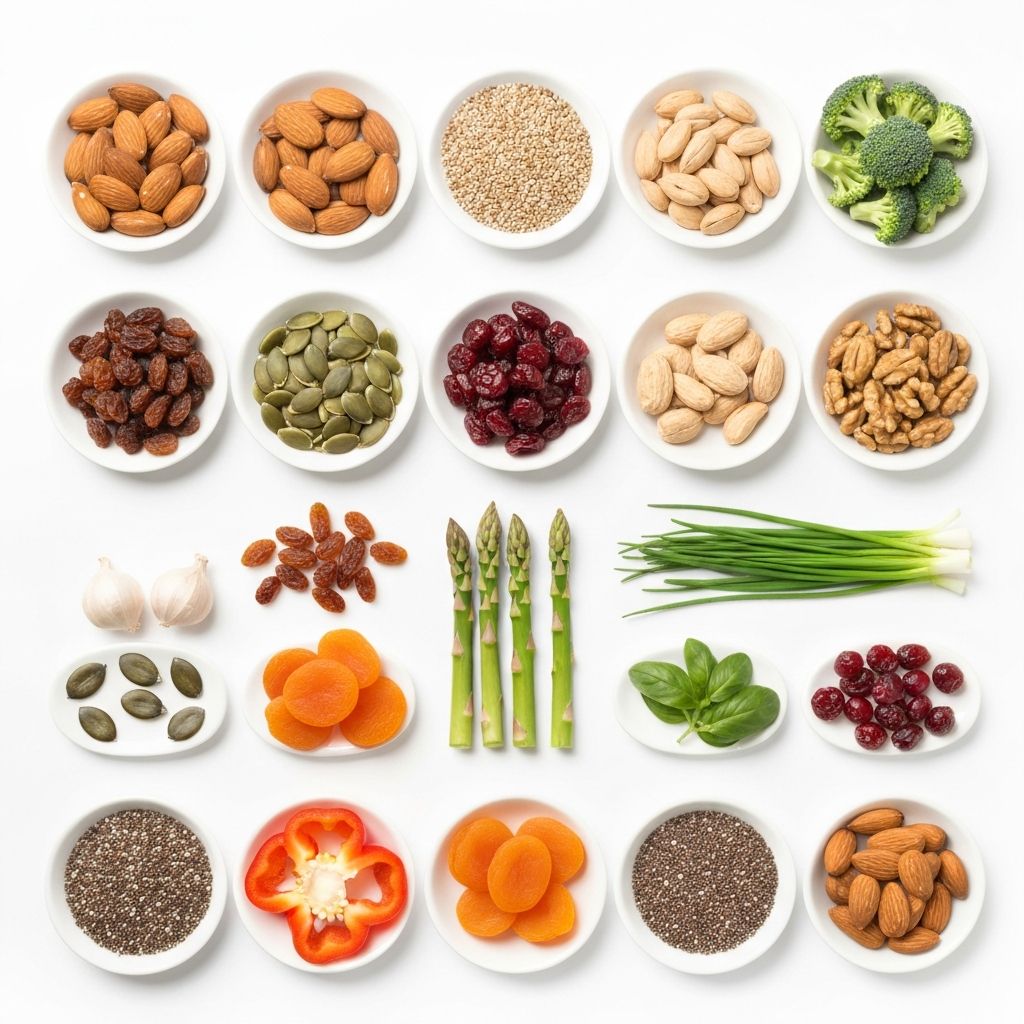
References and Scientific Context
This resource presents information based on scientific nutritional data and research. The nutrient composition values referenced are derived from standardized food composition databases and peer-reviewed scientific literature. Individual research studies continue to examine specific nutrients in particular foods.
Food composition data is regularly updated as analytical methods improve and new data becomes available. National and international food composition databases provide reference values used by nutritionists and researchers. This educational resource presents general informational content without providing personalized dietary advice.
Information Limitations
This resource provides general educational information about food composition. It does not constitute medical advice, nutritional consultation, or personalized dietary recommendations. Individual nutritional needs vary based on age, health status, activity level, and many other factors. Decisions about individual nutrition should be made based on personal circumstances and professional guidance if needed.
Explore Further
This resource provides scientific information about food composition and nutrient content. For specific individual needs and personalized guidance, consult with appropriate professionals.